
Attic ventilation is an important part of home construction, yet most homes have either no ventilation or not enough of it. Inadequate attic ventilation can lead to a host of problems, with roof leaks being among the most common.
In order to prevent these issues and extend the life of your roof, you need an attic that literally “breathes.”
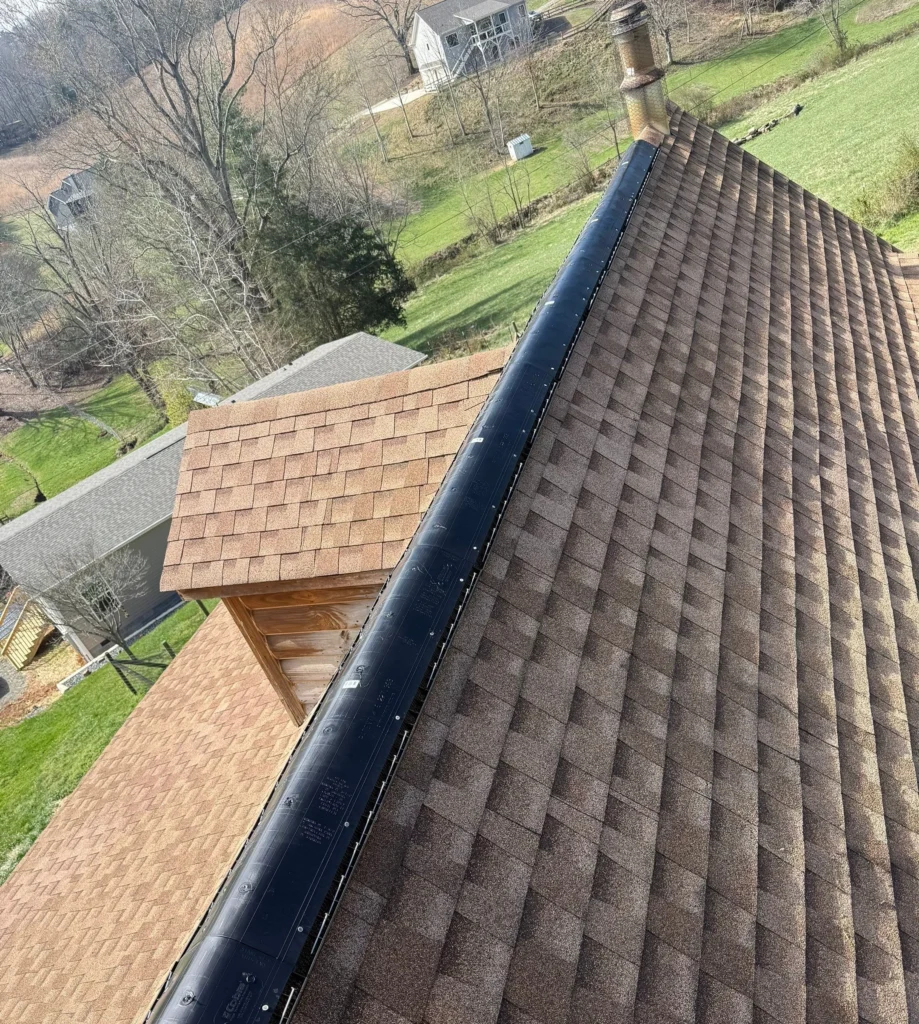
Key Takeaways
💡Attic ventilation helps move warm, moist air out of the attic before it can turn into condensation, mold, wood rot, or insulation damage.
💡Attic ventilation works best when intake and exhaust vents are balanced. Soffit vents, ridge vents, baffles, and air sealing all play important roles.
💡Attic ventilation can help protect your roof during Knoxville’s humid summers, heavy rainfall, and winter freeze-thaw cycles.
💡Attic ventilation should be inspected by a roofing professional if you notice roof leaks, musty odors, peeling paint, wet insulation, or ice damming.
Why Is Attic Ventilation Important
With proper attic ventilation, you allow for warm, moist air – which naturally rises – to safely escape your home rather than building up in the form of condensation. This helps you keep humidity levels under control, which not only helps maintain the health of your roof, but also helps to keep home heating nd cooling costs more manageable.
Without proper attic ventilation, warm and moist air has nowhere to go, creating potentially dangerous attic conditions in the form of condensation, mold and mildew. This, in turn, can make your paint blister and peel, compromise the structural integrity of your attic, create weaknesses in your roof and reduce the efficiency of your insulation.
Another problem that can result from improper attic ventilation is specific to the winter months: ice damming. A lack of attic ventilation can cause ice to build up in your eaves and gutters, which can buckle or fall off under the weight, causing serious and expensive damage to your home.
Why Attic Ventilation Matters for Asheville Roofs
For Asheville homeowners, attic ventilation is more than a construction detail. Attic ventilation is part of the roof system that helps protect your shingles, decking, insulation, and indoor air quality. According to the National Weather Service’s Asheville climate data, the area experiences winter freezing conditions, measurable snowfall, and seasonal rainfall patterns that can affect how moisture and temperature behave inside an attic.
That combination makes attic ventilation especially important for reducing trapped heat and moisture. When attic ventilation is poor, warm indoor air can rise into the attic, meet cooler roof surfaces, and form condensation. Over time, that moisture can stain roof decking, dampen insulation, and create conditions where mold can grow.
Attic Ventilation, Moisture Control, and Energy Efficiency
Government guidance from the U.S. Department of Energy on moisture control explains that controlling moisture can make a home more energy efficient, more comfortable, and less likely to develop mold problems. The EPA’s mold and moisture guidance also recommends keeping indoor relative humidity below 60 percent, and ideally between 30 and 50 percent, to reduce mold risk.
Attic ventilation is also connected to energy performance. ENERGY STAR’s attic sealing and insulation guidance notes that homeowners can save an average of 15% on heating and cooling costs when air sealing and insulation improvements are made in attics, crawl spaces, and basements. However, attic ventilation should not be ignored during insulation work. ENERGY STAR’s guidance on proper attic ventilation explains that proper insulation and air sealing help keep attics cold in winter by blocking heat and moist air from entering the attic from below.
A balanced attic ventilation system typically needs both intake and exhaust. Intake usually comes from soffit vents near the eaves. Exhaust often comes from ridge vents or other roof vents higher on the roof. The Department of Energy’s Building Science Education resource on attic baffles explains that baffles help maintain an air channel between insulation and the roof deck, guiding air from soffit vents toward the ridge vent. Without that clear path, attic ventilation can be restricted even if vents are technically present.
When to Have Your Attic Ventilation Inspected
Common signs of poor attic ventilation include musty attic odors, dark staining on roof sheathing, wet or compressed insulation, rusted roofing nails, peeling interior paint, repeated roof leaks, hot upstairs rooms, and ice buildup along the eaves in winter. These warning signs do not always mean the roof needs full replacement, but they do mean the attic ventilation system should be inspected.
Litespeed Construction helps Asheville homeowners look at the full roof system instead of treating attic ventilation as an afterthought. During a roof inspection, our team can evaluate shingle condition, decking, ridge vents, soffit intake, insulation depth, baffles, bathroom fan exhaust, and moisture concerns. That matters because attic ventilation problems can shorten roof life even when shingles look fine from the ground.
If you are replacing your roof, adding insulation, dealing with roof leaks, or noticing moisture in the attic, now is the time to ask about attic ventilation. Proper attic ventilation can help protect your roof investment, improve comfort, reduce moisture problems, and give your roofing system a better chance to perform the way it should.
Have Your Attic Ventilation Checked
If you’re unsure whether or not you have adequate attic ventilation, or if your attic is unventilated, consult a professional roofing contractor. A small investment today can save you thousands of dollars down the road, not to mention hours of inconvenience.